

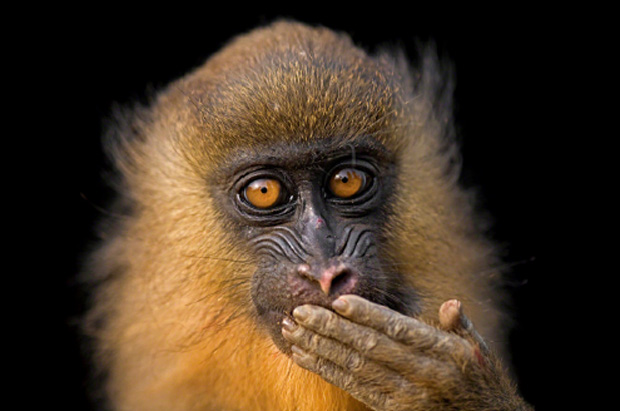
Photo by Joel Sartore | National Geographic
After 125 years of publishing, National Geographic has one heck of a photo catalog. The Annenberg Space for Photography is showcasing a collection from the magazine in its current exhibition, The Power of Photography: National Geographic 125 Years.
Through April, the free multimedia exhibit features more than 500 prints, two documentaries, LCD screens with photos and, of course, some of the best photographs in history.
The photographs on display vary in subject matter, from some of the earliest photos of global exploration through modern images of science and rare wildlife. For example, National Geographic was first to publish Robert Peary’s 1910 photographs from his vanguard exploration of the North Pole. These segue into mid-century photographs of imperialism, industry and culture, including an amazing photo by Volkmar Wentzel of a Mercedes being carried across the wild landscape of Nepal in 1948. Contemporary wildlife images that stand out are of a screaming elephant seal in an Australian lagoon and all-too-human-looking monkey waiting to be sold as bushmeat in Equatorial Guinea (pictured above).
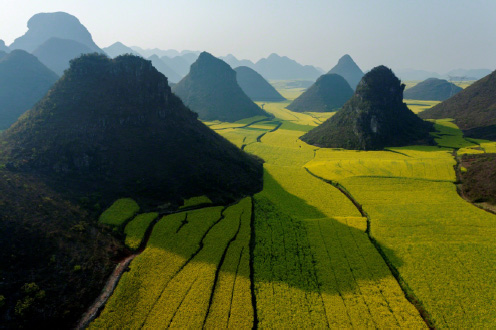
Photo by George Steinmetz | National Geographic
The documentaries describe the history of National Geographic—one interesting tidbit is that the magazine first published photos of Tibet in 1905 to fill space. The issue was massively popular, but fell under intense criticism from Nat Geo’s board of directors who thought images were cheapening the integrity of the magazine.
The documentaries also show the photographers telling the stories of their famous photographs. The LCD screens in the exhibition provide a rich thematic experience as they shift from subject to subject.
Annenberg Space for Photography will host lectures through the duration of the exhibition from 6:30pm to 8pm on Thursday nights:
November 7- David Liittschwager is a contributing photographer to National Geographic and other magazines. Recipient of numerous awards, Liittschwager lectures and exhibits his work in both fine art and natural history contexts. The Zoological Society of London recently awarded the 2012 Thomson Reuters Award for Communicating Zoology to his book project A World in One Cubic Foot: Portraits of Biodiversity.
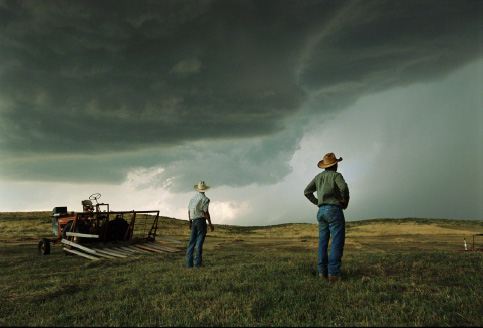
Photo by Jim Richardson | National Geographic
November 14 – Maggie Steber has worked for National Geographic magazine and other clients in 63 nations. Her awards include the World Press Foundation Award, the Leica Medal of Excellence and Pictures of the Year awards. Her photographs are in many collections including the Library of Congress. From 1999 to 2003, she served as Assistant Managing Editor and Director of Photography at The Miami Herald.
November 21 – Abelardo Morell’s career has spanned over 25 years. Born in Havana, Cuba, in 1948, Morell immigrated to the United States in 1962. His work has been collected and shown in art institutions including the Museum of Modern Art, the Metropolitan Art Museum in New York, the Art Institute of Chicago and over seventy other museums in the United States and abroad.
November 21 – Abelardo Morell’s career has spanned over 25 years. Born in Havana, Cuba, in 1948, Morell immigrated to the United States in 1962. His work has been collected and shown in art institutions including the Museum of Modern Art, the Metropolitan Art Museum in New York, the Art Institute of Chicago and over seventy other museums in the United States and abroad.
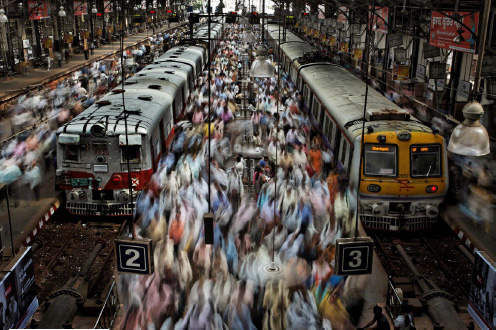
Photo by Randy Olson | National Geographic
December 5 – David Doubilet is a contributing photographer and author for National Geographic magazine, where he has photographed 65 stories. Since his first assignment in 1971, he has become one of the most published photographers in the history of the magazine. He is a contributing editor and author of several books. Doubilet has spent five decades photographing the underwater world.
December 12 – James Balog has been a leader in photographing and interpreting the natural environment for three decades. He is an avid mountaineer with a graduate degree in geography and geomorphology and the author of eight books. To reveal the impact of climate change, Balog founded the Extreme Ice Survey (EIS), the most wide-ranging, ground-based, photographic study of glaciers ever conducted.
December 19 – Mike Yamashita has been a photographer for National Geographic for over 25 years. Specializing in Asia, Yamashita has covered Vietnam and the Mekong River, Marco Polo’s journey to China and Japanese culture from samurai to fish markets. He has published several books including Shangri-La, which provides a rare and fast-disappearing view of Tibet.
The Annenberg Space for Photography is located in the CAA complex at 2000 Avenue of the Stars. The exhibition runs through April 27th, 2014. Admittance is free, but parking $1 on weekends and $3.50 during the week, with validation.

Photo by Steve McCurry | National Geographic
